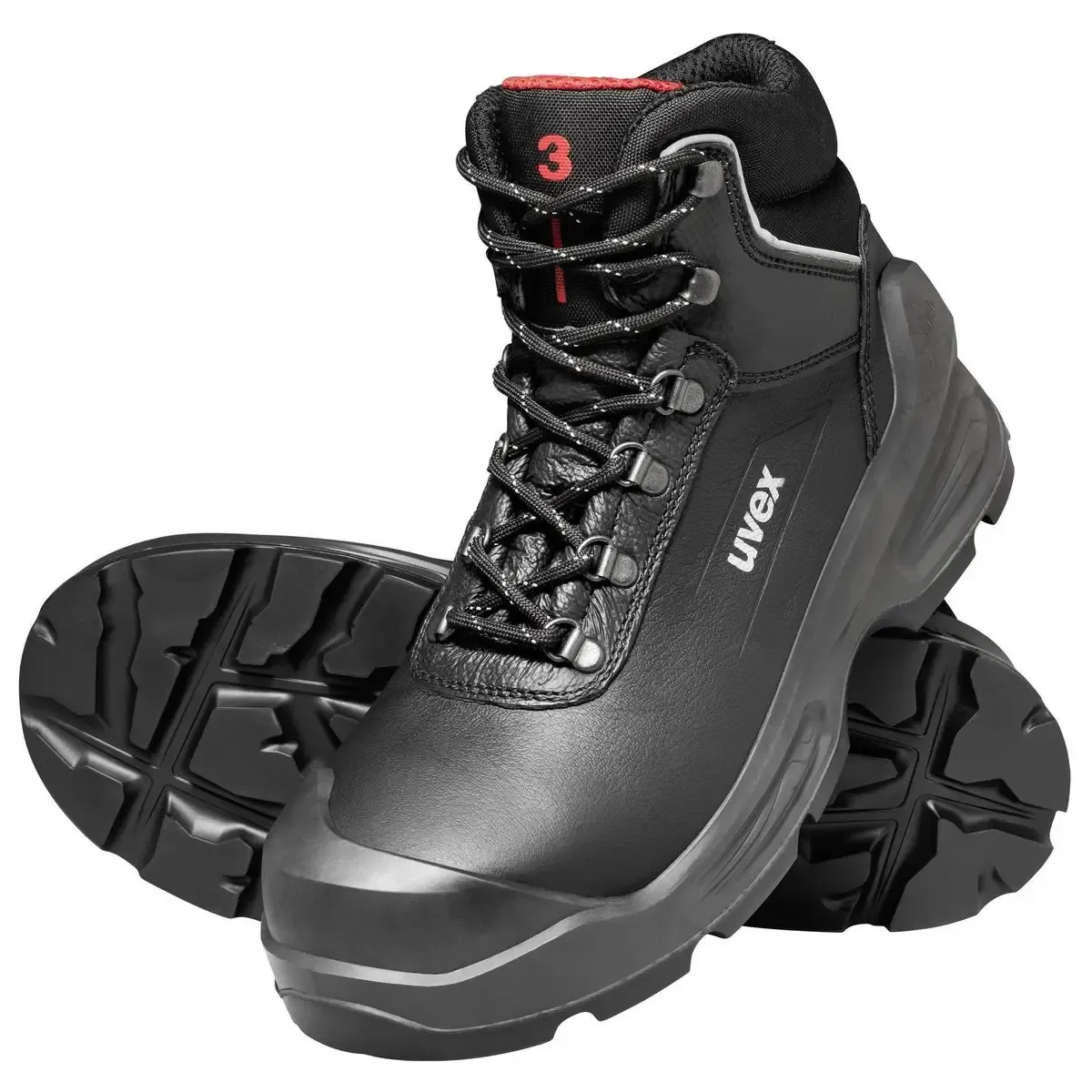
How to Draft a Safety shoe allowance policy for employees sample for OSHA Compliance
Establishing a robust safety shoe allowance policy for employees sample is essential for maintaining workplace safety, legal compliance, and operational efficiency across industrial sectors. In high hazard environments, protective footwear shields workers from impact, slip, and electrical risks. A clear allowance policy defines spending limits, technical standards, and replacement schedules, eliminating confusion for HR teams while ensuring workers receive certified gear. This comprehensive guide breaks down essential policy elements, legal requirements under Saudi Labor Law, and effective management models to help companies optimize their corporate safety footwear programs.
What Is a Shoe Allowance?
A safety shoe allowance is a dedicated financial stipend provided by an employer to assist workers in acquiring mandatory protective footwear. Occupational safety guidelines require employers operating in hazardous workplaces such as construction zones, industrial manufacturing plants, logistics hubs, and oil sites to ensure that all personnel wear certified protective footwear designed to prevent impact injuries, punctures, slip accidents, and electrical hazards.
Under a standard corporate footwear policy, the employer sets a designated annual or bi-annual monetary allowance. Employees can use this stipend to buy personal protective footwear that meets mandatory safety benchmarks, such as SASO or EN ISO 20345 standards. Providing a direct shoe allowance ensures full workforce compliance with safety regulations, reduces workplace injury claims, and promotes overall operational efficiency across high risk work environments.
Read more: Guide to the Best Saudi Made Safety Shoes
Allowance vs. Reimbursement vs. Company-Issued Shoes: Which Model Fits Your Company?
Choosing the right protective footwear management model is essential when structuring a safety shoe allowance policy for employees sample for your organization. Operating in hazardous industrial environments across Saudi Arabia requires balancing regulatory compliance, procurement efficiency, and administrative workload.
|
Comparison Aspect |
Direct Shoe Allowance |
Expense Reimbursement |
Company-Issued Footwear |
|
Core Mechanism |
Fixed periodic stipend paid upfront or via company voucher |
Employee purchases footwear first and submits receipts for refund |
Employer buys bulk inventory and distributes directly to staff |
|
Administrative Effort |
Minimal (fixed payroll addition or direct voucher issuance) |
Moderate to high (receipt auditing, verification, and expense processing) |
High (inventory storage, sizing management, and logistics) |
|
Compliance & Quality Control |
High when linked to an approved supplier catalog |
Requires strict receipt and safety certificate review |
Maximum direct control over exact certified safety specs |
|
Employee Convenience |
High flexibility to choose preferred comfort and fit |
Moderate (requires upfront personal payment by employee) |
Low flexibility in individual fit and style choices |
|
Budget Predictability |
Fixed and predictable cost per employee |
Predictable up to cap, but involves fluctuating processing costs |
High initial capital expenditure with bulk discount potential |
|
Best Suited For |
Large workforces seeking streamlined safety management |
Corporate office environments with few field personnel |
Specialized facilities requiring identical high hazard gear |
Read more: Guide to the Best Safety Shoes for Women Workers
What Does Saudi Labor Law Require from Employers?
Saudi Labor Law places strict legal obligations on employers regarding occupational health and safety across industrial, manufacturing, construction, and logistics sectors. According to the Ministry of Human Resources and Social Development (MHRSD) regulations and Saudi Labor Law standards:
-
Mandatory Provision of PPE: Employers must provide appropriate Personal Protective Equipment (PPE), including certified safety footwear, to all employees working in hazardous conditions at no cost to the worker.
-
No Salary Deductions: The law explicitly prohibits employers from charging employees or deducting money from their basic salaries or allowances for mandatory safety equipment.
-
SASO and ISO Quality Compliance: Protective footwear supplied to workers must strictly comply with Saudi Standards, Metrology and Quality Organization (SASO) benchmarks and international safety standards such as EN ISO 20345.
-
Enforcement and Regular Maintenance: Employers are obligated to ensure workers wear compliant footwear on site and must replace worn-out or damaged protective shoes periodically to maintain site safety.
Partnering with a fully certified Saudi manufacturer like SLIC guarantees that your company's footwear supply fully aligns with Saudi Labor Law requirements while maintaining maximum workplace protection.
Need Certified Safety Shoes Compliant with Saudi Labor Law?
Contact SLIC corporate compliance advisors today at +966138121066 to review SASO certified safety footwear catalogs, schedule factory audits, and get corporate price proposals.
What is Safety shoe allowance policy for employees sample?
A safety shoe allowance policy for employees sample is a structured organizational document designed by Health, Safety, and Environment (HSE) and HR departments to establish clear procedures for distributing, managing, and replacing protective footwear across a company's workforce.
A standard corporate policy template includes:
-
Purpose and Scope: Clearly defines which job roles (e.g., field engineers, factory operators, warehouse technicians) are required to wear certified safety shoes.
-
Allowance Amount and Frequency: Specifies the exact monetary stipend or voucher value allocated per employee (e.g., annually or bi-annually) for purchasing protective footwear.
-
Technical Footwear Specifications: Outlines mandatory safety ratings such as composite toe caps, slip resistance, puncture resistant midsoles, and anti-static features required for workplace eligibility.
-
Approved Supplier Network: Restricts allowance usage to certified local suppliers such as SLIC to ensure every purchased pair meets SASO and EN ISO 20345 compliance standards.
-
Replacement and Employee Responsibility: Details guidelines for replacing damaged footwear ahead of schedule and outlines worker obligations regarding daily gear care.
Implementing a standardized policy protects companies from regulatory non-compliance fines, lowers workplace injury risk, and streamlines corporate safety procurement.
Read more: Safety Toe vs Steel Toe
Key Elements of a Safety Footwear Policy
A solid safety shoe allowance policy for employees sample contains five basic elements that any business can easily implement:
-
Eligible Roles: A clear list of job titles required to wear safety footwear (such as factory workers, site engineers, and drivers).
-
Allowed Allowance & Frequency: The fixed amount of money or voucher provided to each worker and how often they receive it (for example, once a year).
-
Mandatory Safety Features: Clear requirements such as steel or composite toe caps, slip-resistant soles, and electrical protection.
-
Approved Suppliers: A list of trusted local vendors such as SLIC where employees must use their allowance to guarantee certified quality.
-
Replacement Rules: Guidelines explaining how employees can replace worn-out or damaged boots before their normal renewal date.
How to Set the Allowance Amount and Replacement Cycle?
Setting the right allowance and replacement schedule depends on work conditions and footwear wear rates:
-
Setting the Allowance Amount: Calculate the real cost of a high quality certified safety shoe in the local market. Typical corporate allowances range from SAR 200 to SAR 500 per pair. Setting a fair amount ensures employees purchase genuine SASO-certified footwear rather than low quality alternatives.
-
Setting the Replacement Cycle: Most companies provide a new pair every 12 months. However, for extreme work environments like heavy construction, oil sites, or chemical plants, a 6 month replacement cycle is recommended due to rapid sole wear and leather damage.
Read more: Guide to SASO Certified Safety Shoes
What Is the Current Reimbursement Policy for Safety Footwear?
Under a modern safety shoe allowance policy for employees sample, the current reimbursement policy defines how workers get refunded for buying protective footwear:
-
Out-of-Pocket Purchase: The employee buys an approved safety shoe from an authorized seller and keeps the official invoice.
-
Review and Approval: The worker submits the receipt to HR or the safety manager to confirm the shoe meets required SASO or ISO safety ratings.
-
Payroll Refund: The company refunds the cost up to the pre-set policy limit directly in the worker’s next paycheck.
To avoid delay and receipt paperwork, many organizations now set up direct corporate accounts with local manufacturers like SLIC, allowing employees to get certified footwear directly without paying out of pocket.
Read more: How to Get the Best Slip resistant work shoes ksa price
Common Policy Mistakes That Create Safety or Compliance Gaps
When building a safety shoe allowance policy for employees sample, avoiding these frequent mistakes ensures full worker protection and prevents legal issues:
-
Setting the Allowance Too Low: A low stipend forces workers to buy cheap, non-compliant shoes that lack proper impact, puncture, or slip protection.
-
Not Specifying Safety Standards: Failing to mandate clear specs (like steel/composite toe caps, oil resistance, or anti-static soles) leads to unsafe footwear choices on site.
-
Ignoring Replacement Cycles: Expecting one pair of safety shoes to last multiple years in harsh work environments leads to worn-out soles and injury risks.
-
Allowing Unapproved Sellers: Letting employees buy from unverified vendors increases the risk of counterfeit or non-certified footwear entering the workplace.
Corporate Safety Footwear Program with Slic
Managing a corporate footwear program becomes much easier when companies partner directly with a trusted domestic manufacturer like SLIC (Saudi Leather Industries Company). Instead of dealing with multiple retail vendors, receipts, or non-certified safety shoes, SLIC provides a complete one-stop solution tailored specifically for corporate safety shoe allowance policies.
Key reasons why companies choosing a safety shoe allowance policy for employees sample benefit from partnering with SLIC:
-
Full SASO and ISO Compliance: Every safety shoe produced by SLIC meets official Saudi (SASO) and international (EN ISO 20345) safety benchmarks, guaranteeing legal compliance and certified protection on work sites.
-
Direct Voucher & Corporate Account Program: SLIC helps HR and safety managers set up direct voucher systems, allowing employees to pick compliant footwear easily while eliminating complex reimbursement paperwork.
-
Maximum Local Content Score: Sourcing directly from a Saudi factory boosts your organization's local content score for government tenders and public project bids.
-
Cost Savings & Direct Factory Rates: Buying straight from the manufacturer removes middlemen markups, keeping high quality footwear affordable within your allowance budget
Contact SLIC corporate procurement team today at +966138121066 to set up company voucher accounts, request product samples, and get direct factory price quotes.
FAQ
What happens if an employee loses or damages their safety shoes prematurely?
If caused by negligence, the employee covers the replacement cost. If damaged due to extreme site hazards, HSE officers can authorize an early replacement.
Can employees pay the difference for a more expensive shoe model?
Yes, employees can upgrade to a higher priced pair from approved vendors like SLIC by paying the difference, as long as the shoe meets required SASO safety specs.
Are orthopedic or wide-fit safety shoes covered under the policy?
Yes, medical modifications can be included with a doctor’s note. Manufacturers like SLIC offer wide fit models and ergonomic insoles for specialized comfort needs.
Does the footwear policy apply to temporary workers or new hires?
Under Saudi Labor Law, all site personnel must wear protective gear from day one. Companies typically issue temporary safety shoes during probation before enrolling workers in the annual allowance program.
How are sizing exchanges managed under a corporate voucher policy?
Partnering with SLIC allows workers to exchange unused shoes directly through factory outlets or account managers within 14 days, avoiding HR administrative burdens.
Conclusion
Establishing a well structured corporate safety footwear program ensures full regulatory compliance while safeguarding employees from avoidable workplace hazards. Defining clear allowance limits, replacement cycles, and mandatory technical standards streamlines administrative workflows and eliminates confusion between workers and HR teams. Providing high quality protective shoes improves daily workforce comfort, boosts site productivity, and minimizes occupational injury claims. Regularly reviewing your footwear guidelines keeps corporate policies aligned with updated labor regulations and safety standards. Investing in a clear and transparent safety shoe policy ultimately builds a safer, more compliant, and cost effective operational environment.
- Hits: 25
