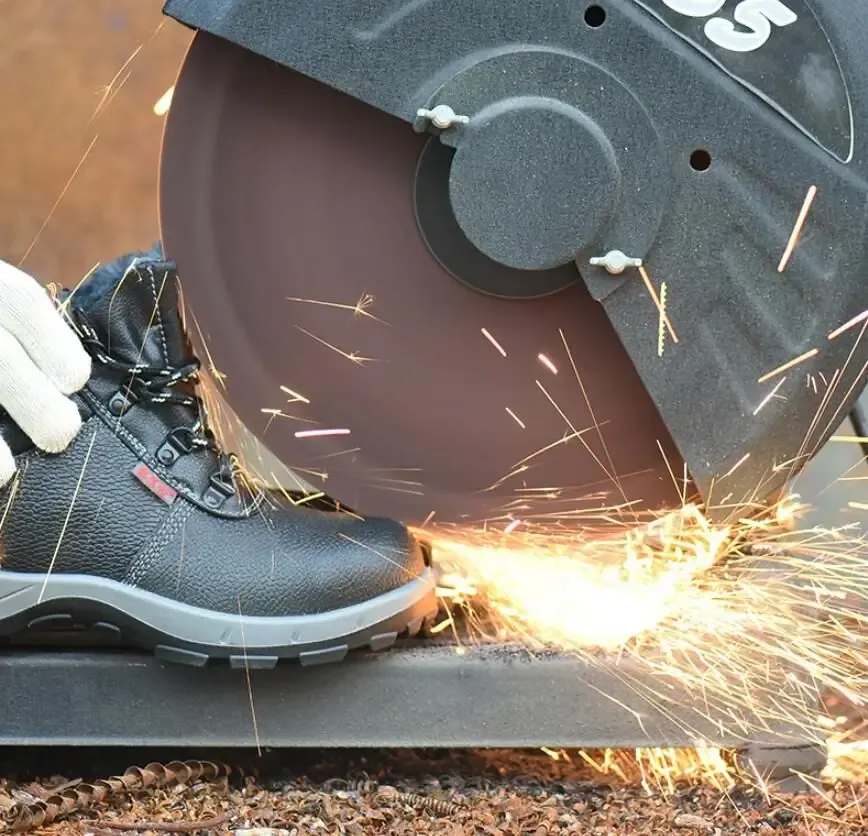
Safety Shoes for Mining Saudi Arabia Price - The Complete 2026 Buying Guide
Selecting safety shoes for mining saudi arabia price requires balancing site compliance, worker protection, and long term procurement value. Mining environments present severe hazards including heavy rockfalls, sharp ore debris, corrosive moisture, and high desert temperatures. Equipping workforces with certified protective boots prevents serious injuries while ensuring smooth operations. Understanding material durability, safety ratings, and bulk supply options helps procurement managers make informed purchasing decisions. This guide explores essential protection features and cost drivers to help you select the ideal mining footwear.
Why Mining Needs a Different Class of Safety Shoes?
When evaluating safety shoes for mining saudi arabia price, it becomes clear that standard workplace footwear cannot handle extreme mining conditions. Mining environments require specialized protective boots due to several intense hazards:
-
Heavy Falling Rocks and Machinery: Underground and open pit mines involve heavy rockfalls and heavy equipment that demand superior impact resistance to prevent crushing injuries.
-
Extreme Sharp Debris and Punctures: Mine floors are covered with jagged rocks, sharp ore fragments, and metal scrap that easily pierce standard boot soles.
-
Severe Wet and Muddy Conditions: Constant exposure to slurry, mud, and flooded mine shafts requires completely waterproof uppers and deep tread soles for maximum traction.
-
Corrosive Chemical Exposure: Acidic mine drainage, mineral salts, and heavy oils quickly break down ordinary leathers and cheap synthetic uppers.
-
Thermal Shock and Electrical Risks: Miners work near high voltage heavy equipment and hot rock surfaces requiring non conductive EH soles and heat resistant rubber outsoles.
Open-Pit vs. Underground Mining: Footwear Differences
Selecting appropriate safety shoes for mining saudi arabia price requires understanding how working environments dictate boot specifications. Open-pit and underground mining operations present distinct physical hazards, requiring different protective designs:
|
Aspect / Hazard |
Open-Pit Mining Footwear |
Underground Mining Footwear |
|
Primary Environment |
Surface operations, high sun exposure, and dry dusty rock fields |
Dark shafts, narrow tunnels, wet slurry, and flooded ground |
|
Main Physical Hazard |
Heavy machinery traffic, rolling boulders, and extreme sun heat |
Falling rock chunks, low visibility obstacles, and tight spaces |
|
Waterproof Requirement |
Water resistant uppers for dust and light mud protection |
100% waterproof construction with tall rubber or PVC shaft protection |
|
Sole Traction Design |
Heat resistant rubber soles with deep self cleaning tread patterns |
Deep heavy cleated treads designed for slick mud and wet rock surfaces |
|
Visibility Features |
Standard safety colors or simple ankle reflective trims |
High visibility reflective bands required for low light tunnel safety |
|
Metatarsal Protection |
Optional depending on heavy material handling tasks |
Integrated heavy metatarsal guards to protect upper foot bones from falling rocks |
|
Thermal Insulation |
Heat resistant outsoles built for hot desert ground temperatures |
Cold and moisture insulation for damp underground shaft climates |
Read more: How to Draft a Safety shoe allowance policy for employees sample
Must-Have Protection Features for Mining Boots
When evaluating safety shoes for mining saudi arabia price, ensuring boots feature essential protective elements protects workers and delivers long term value. Mining safety boots must include these critical features:
-
Heavy Duty Metatarsal Guards: Extra shielding over the upper foot bones to prevent severe crushing from heavy falling rocks and equipment.
-
Reinforced Steel or Composite Toe Caps: Tested protection capable of withstanding heavy impact and crushing forces in tight mining spaces.
-
Puncture Resistant Midsoles: Steel or Kevlar internal layers that stop sharp ore fragments and metal shards from piercing the sole.
-
Heat and Chemical Resistant Outsoles: Heavy duty rubber outsoles built to resist oil, corrosive mineral fluids, and extreme desert ground temperatures up to 300°C.
-
Anti Slip Cleated Tread Soles: Deep, self cleaning traction patterns designed to maintain stability on slick mud, wet rock, and uneven mine surfaces.
-
Electrical Hazard (EH) Insulation: Non conductive sole construction to protect miners from accidental live wire contact and underground electrical equipment.
Which Safety Class Fits Mining: S3, S5, or Beyond?
When assessing safety shoes for mining saudi arabia price, choosing the correct safety rating ensures complete worker protection and site compliance:
-
S3 Class (Dry Surface and Open Pit Mining): Includes certified toe protection, puncture resistant midsoles, water resistant uppers, anti static properties, and cleated outsoles for dry surface mines and processing facilities.
-
S5 Class (Underground and Heavy Wet Mining): The highest standard for wet environments, featuring fully molded waterproof rubber or polymer construction, integrated toe caps, anti penetration midsoles, and deep traction treads.
-
Beyond Standard Ratings (Metatarsal M Guard): Extreme mining zones require additional protection like M rating metatarsal guards for upper foot protection and HRO heat resistant outsoles tested up to 300°C.
Read more: How to Secure the Best Military boots manufacturer saudi arabia price
Safety shoes for mining saudi arabia price - What Drives the Cost?
Understanding safety shoes for mining saudi arabia price requires looking at the key manufacturing factors and advanced materials that dictate overall pricing:
-
Advanced Protection Technologies: Integrating flexible metatarsal guards, non metallic composite toe caps, and puncture proof Kevlar midsoles increases production costs while delivering superior safety.
-
Premium Heavy Duty Materials: Using full grain genuine leathers, specialized acid resistant rubber compounds, and waterproof membranes ensures durability in harsh mining environments.
-
International and SASO Certifications: Independent quality testing for EN ISO 20345 and SASO compliance adds rigorous testing costs to guarantee reliable site performance.
-
Thermal and Electrical Insulation Ratings: Specialty features like 300°C heat resistant outsoles (HRO) and electrical hazard insulation (EH) drive technical manufacturing value.
-
Bulk Procurement and Local Production: Sourcing directly from domestic Saudi manufacturers reduces shipping overhead, import tariffs, and middlemen markups for bulk corporate orders.
Looking for Factory Direct Prices on Saudi Certified Mining Safety Shoes?
Contact SLIC corporate sales team today at +966138121066 to establish bulk account pricing, request physical product samples, and secure direct factory quotes.
Read more: Oil and gas safety footwear price
Individual Purchase vs. Bulk Supply for Mining Contractors
When evaluating safety shoes for mining saudi arabia price, procurement managers must weigh retail single-pair purchases against direct corporate bulk supply contracts. Choosing the right procurement model directly impacts site safety, compliance, and long-term operating costs:
|
Evaluation Aspect |
Individual Retail Purchase |
Bulk Corporate Supply Contract |
|
Unit Price and Budget Impact |
Higher retail pricing per pair without volume discounts |
Significant factory-direct cost savings and discounted unit rates |
|
SASO & ISO Compliance |
Risk of inconsistent safety ratings or unverified grey-market stock |
Guaranteed 100% certified compliance across all delivered footwear |
|
Sizing & Replacement Speed |
Slow retail turnaround and potential out-of-stock sizing delays |
Dedicated local stock buffers, structured voucher programs, and rapid replacements |
|
Administrative & Invoicing Work |
Complex handling of multiple receipts, expense reports, and individual claims |
Consolidated monthly billing, simplified purchase orders, and direct account management |
|
Workforce Uniformity & Safety |
Varying protection levels and mixed worker boot quality on site |
Standardized protection levels tailored specifically to site risk profiles |
|
Local Content Contribution |
Low or negligible impact on company local content scoring |
High local content value for government tenders when sourcing from Saudi manufacturers |
Read more: Guide to Aramco Approved Safety Shoes in Saudi
Lifespan of Mining Boots: When to Replace?
Due to heavy rock friction and harsh chemicals, mining boots usually last 6 to 12 months. Replace them immediately if you notice these signs:
-
Major Impact: Replace immediately after absorbing a heavy falling rock, even without visible damage.
-
Exposed Toe Cap: Replace if the metal or composite cap shows denting or breaks through the leather.
-
Worn Out Treads: Replace when sole tread depth wears down and loses traction on wet surfaces.
-
Cracked Uppers: Replace if deep cracks, torn seams, or sole gaps allow water and chemicals inside.
-
Pierced Midsoles: Replace if sharp rocks or metal fragments puncture the bottom sole layer.
Mining Site Requirements in KSA
Mining operations in Saudi Arabia operate under strict regulatory supervision overseen by the Ministry of Industry and Mineral Resources and the Ministry of Human Resources and Social Development (MHRSD). When evaluating safety shoes for mining saudi arabia price, mining site requirements mandate specific compliance standards to guarantee workforce safety:
-
Mandatory SASO and GSO Certification: Safety footwear must hold official SASO registration and comply with GSO 1906 or EN ISO 20345 standards for verified impact and compression resistance.
-
Employers Duty to Provide Free PPE: Under Article 121 of the Saudi Labor Law, employers are legally required to provide certified safety footwear to site personnel free of charge.
-
Minimum Protection Rating S3 or S5: Mining sites enforce S3 rated safety shoes for dry surface operations and fully waterproof S5 boots for wet underground shafts.
-
Mandatory Penetration and Slip Resistance: Footwear must feature puncture resistant midsoles to block sharp rocks and anti slip soles to prevent falls on wet surfaces.
-
Specialized Mining Protection Additions: High risk mining zones require extra protective elements like metatarsal guards, heat resistant outsoles up to 300°C, and electrical hazard insulation.
-
Regular Inspection and Local Supply: Operators must conduct routine PPE inspection logs on site and maintain local stock buffers to replace worn boots immediately.
Read more: Guide to SASO Certified Safety Shoes
Slic Mining Safety Boots: Built for Saudi Terrain
When selecting heavy duty protective footwear for mining operations across the Kingdom, SLIC delivers tailored local solutions that combine international standards with maximum operational efficiency:
-
Tailored for Local Mining Terrain: Engineered with heavy duty outsoles built specifically to endure harsh desert rock heat and abrasive mining soils.
-
Guaranteed SASO and ISO Compliance: Certified to meet rigorous SASO and EN ISO standards for maximum impact, puncture, and compression protection.
-
Maximum Local Content Score: Direct Saudi manufacturing boosts your company local content rating for major government tenders and mining concessions.
-
Unbeatable Factory Direct Value: Eliminating third party margins provides top tier mining protection at highly competitive bulk corporate prices.
-
Reliable Local Stock and Fulfillment: Fast Kingdom wide shipping and local warehouse buffers ensure continuous site supply without operational delays.
Partner directly with SLIC today by calling +966138121066 to schedule site fit testing, receive custom product catalog options, and secure your direct factory price proposal.
FAQ
How do extreme desert temperatures impact the lifespan of rubber mining soles?
Prolonged exposure to hot ground surfaces speeds up rubber vulcanization, causing cheaper soles to harden, crack, and lose traction faster than heat certified HRO outsoles.
Are steel toe caps safe to wear around heavy electrical machinery in mines?
Yes, because steel caps are completely enclosed inside insulated leather uppers, though non conductive composite toes are preferred for high voltage underground environments.
Can mining footwear be cleaned using high pressure water jets on site?
No, high pressure water strips natural protective oils from upper leathers and forces moisture into seams, causing material decay and premature structural breakdown.
What is the difference between puncture resistant steel and Kevlar midsoles?
Steel offers rigid full sole protection against sharp metal, while woven Kevlar provides flexible lightweight puncture resistance without adding weight or conducting heat.
Why do underground mining safety boots require ankle flex zone designs?
Ankle flex zones allow natural joint movement on steep slopes and uneven shaft ladders, preventing severe foot fatigue and reducing ankle injury risks.
Conclusion
Selecting heavy duty protective footwear designed for demanding site conditions is essential for safeguarding workforce health and maintaining legal compliance. Equipping teams with certified footwear reduces injury risks from heavy rock falls, sharp debris, and hazardous fluids across complex operational terrains.
Adhering to recognized quality standards ensures long term equipment durability while building a strong culture of safety and operational continuity. Routine equipment checks and timely replacements ensure reliable daily protection across every shift. Investing in high performance Saudi made protective footwear delivers maximum reliability, cost efficiency, and workplace safety.
- Hits: 24
